
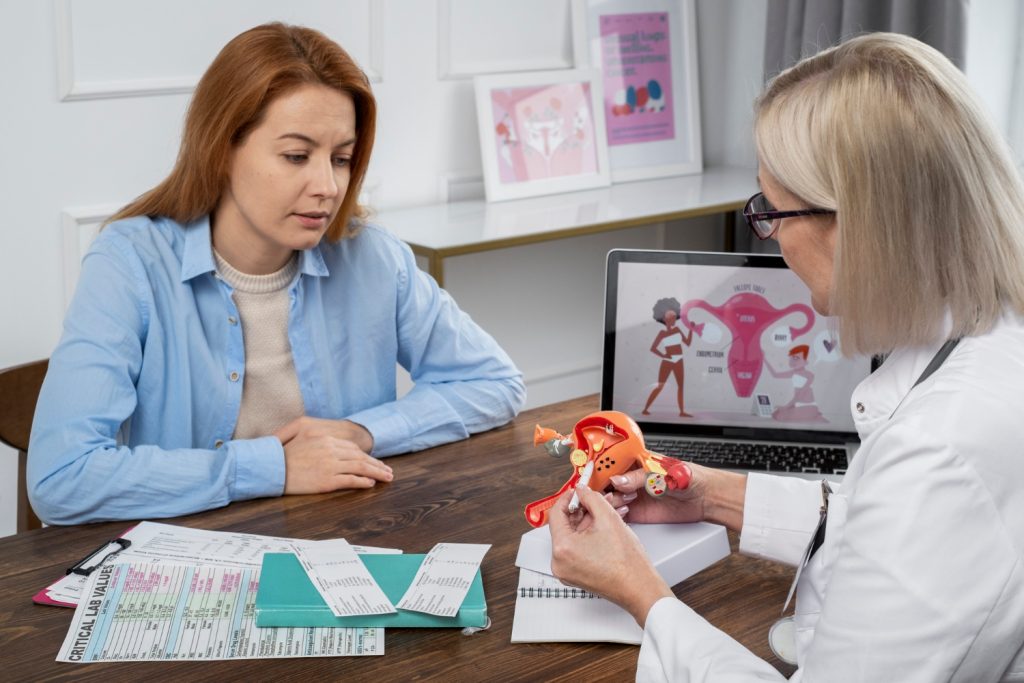
Can Endometriosis or Fibroids Increase the Risk of Recurrent Miscarriages?
August 19, 2026
Finding out that you have endometriosis or fibroids can lead to many questions, especially after experiencing repeated pregnancy loss. Are these conditions directly affecting the pregnancy, or are there other factors that need to be considered?
The relationship between endometriosis, fibroids, and recurrent pregnancy loss is complex. While both conditions can influence the reproductive system, they do not affect every person in the same way. Some individuals with endometriosis or fibroids conceive and carry pregnancies successfully, while others may need further evaluation to understand whether these conditions are contributing to pregnancy difficulties.
This article explains how endometriosis and fibroids may relate to recurrent pregnancy loss, what factors doctors consider during evaluation, and when further assessment may help identify the right path forward.
Understanding Recurrent Pregnancy Loss
What Does Recurrent Pregnancy Loss Mean?
Recurrent pregnancy loss refers to experiencing two or more pregnancy losses, depending on clinical guidelines and individual circumstances. While one miscarriage is relatively common, repeated losses may indicate that additional evaluation could be beneficial.
A pregnancy involves a complex interaction between the embryo, uterus, hormones, immune system, and overall reproductive health. For a pregnancy to continue successfully, implantation must occur properly, the uterine environment must support development, and the maternal and fetal factors must remain balanced.
Why Identifying Contributing Factors Can Be Complex
Finding the reason behind recurrent pregnancy loss can be challenging because several factors may overlap. In some cases, a clear cause is identified, while in others, multiple small factors may contribute together.
Possible contributors to recurrent pregnancy loss include:
- Chromosomal abnormalities affecting the embryo
- Uterine structural concerns
- Hormonal imbalances
- Immune-related factors
- Blood clotting conditions
- Male fertility factors
- Lifestyle and overall health considerations
This is why a complete evaluation is often more valuable than focusing on one diagnosis alone.
Difference Between Infertility and Pregnancy Loss
Although infertility and recurrent pregnancy loss are related to reproductive health, they describe different challenges.
Infertility refers to difficulty conceiving or achieving pregnancy. Pregnancy loss occurs when conception happens, but the pregnancy does not continue successfully.
Conditions such as endometriosis and fibroids can sometimes affect fertility by influencing ovulation, implantation, or the reproductive environment. However, their relationship with miscarriage requires individual assessment.
What Is Endometriosis and How Can It Affect Fertility?
Understanding Endometriosis
Endometriosis is a condition where tissue similar to the lining of the uterus grows outside the uterus. This tissue may commonly affect areas such as the ovaries, fallopian tubes, pelvic lining, and surrounding reproductive organs.
During the menstrual cycle, this tissue responds to hormonal changes, which may lead to inflammation and irritation in affected areas.
Symptoms of endometriosis can vary significantly. Some individuals experience severe pelvic pain, painful periods, or pain during intercourse, while others may have mild symptoms or no noticeable symptoms.
Because symptoms differ from person to person, diagnosis may sometimes take time.
Can Endometriosis Influence Pregnancy Outcomes?
The connection between endometriosis and fertility problems is well recognized, but its impact on pregnancy outcomes can vary.
Endometriosis may influence reproductive health through factors such as:
- Changes in the pelvic environment
- Inflammation affecting reproductive tissues
- Possible effects on implantation
- Impact on ovarian function in some cases
Some studies suggest that endometriosis may be associated with an increased risk of certain pregnancy complications, including miscarriage in some individuals. However, having endometriosis does not mean a person will experience pregnancy loss.
Many people with endometriosis successfully conceive and have healthy pregnancies.
A proper evaluation is important to understand whether endometriosis is affecting fertility or pregnancy outcomes in an individual case.
What Are Fibroids and Do They Affect Pregnancy?
Understanding Uterine Fibroids
Uterine fibroids are non-cancerous growths that develop in or around the uterus. They are common during reproductive years and can vary in size, number, and location.
The main types of fibroids include:
- Submucosal fibroids: These develop inside the uterine cavity and may affect implantation.
- Intramural fibroids: These grow within the muscular wall of the uterus.
- Subserosal fibroids: These develop on the outer surface of the uterus.
When discussing fibroids and infertility, the location of the fibroid is often more important than size alone.
Can Fibroids Increase Miscarriage Risk?
The relationship between fibroids and recurrent miscarriage depends largely on how they affect the uterus.
Some fibroids may have little or no impact on pregnancy. However, certain fibroids, especially those that alter the shape of the uterine cavity, may affect:
- Embryo implantation
- Blood supply to the developing pregnancy
- Space available for pregnancy growth
This makes it difficult to determine whether fibroids increase miscarriage risk, as the answer cannot be reduced to a simple yes or no. The impact depends on factors such as fibroid location, size, symptoms, and the individual’s reproductive history.
A fertility specialist can determine whether fibroids may be contributing to pregnancy loss through appropriate imaging and evaluation.
How Endometriosis and Fibroids May Relate to Recurrent Miscarriages
How Endometriosis May Affect Pregnancy
Endometriosis is characterized by tissue similar to the uterine lining growing outside the uterus. While it is widely recognized for its association with infertility, it may also influence early pregnancy through several biological mechanisms.
-
Chronic Inflammation
Endometriosis is associated with ongoing inflammation within the pelvic cavity. Elevated inflammatory molecules may alter the environment required for successful embryo implantation and early placental development, potentially affecting pregnancy in some individuals.
-
Hormonal Changes
Some people with endometriosis experience progesterone resistance, where the uterine lining responds less effectively to progesterone. Because progesterone plays an essential role in preparing and maintaining the endometrium during early pregnancy, reduced responsiveness may affect implantation or pregnancy support.
-
Effects on Egg Quality and Implantation
Inflammation and changes within the pelvic environment may also influence egg quality and embryo development. In addition, alterations in endometrial receptivity may make implantation less efficient, although this does not occur in every person with endometriosis.
-
Associated Uterine Conditions
Endometriosis may coexist with conditions such as adenomyosis, where tissue grows into the muscular wall of the uterus. Adenomyosis can alter uterine function and has also been associated with implantation failure and recurrent pregnancy loss in some patients.
How Fibroids May Affect Pregnancy
Not all uterine fibroids affect fertility or pregnancy. Their impact largely depends on where they develop, how many are present, and whether they change the shape of the uterine cavity.
-
Distortion of the Uterine Cavity
Fibroids that grow into the uterine cavity, known as submucosal fibroids, are more likely to interfere with embryo implantation. They may reduce the space available for normal placental attachment or alter the surface where implantation occurs.
-
Changes in Blood Supply
Some fibroids may alter blood flow within the uterus. Reduced blood supply to the lining of the uterus could affect implantation or the developing placenta, although the extent of this effect varies between individuals.
-
Increased Uterine Irritability
Large intramural fibroids, which develop within the muscular wall of the uterus, may increase uterine contractility or irritation in some cases. Whether this contributes to pregnancy loss depends on the fibroid’s size, location, and relationship with the uterine cavity.
How Doctors Evaluate Endometriosis or Fibroids After Recurrent Pregnancy Loss
A thorough evaluation helps determine whether endometriosis, fibroids, or another factor may be contributing to recurrent pregnancy loss.
Medical and Reproductive History
Doctors usually begin by reviewing:
- Previous pregnancy outcomes
- Number and timing of pregnancy losses
- Menstrual history
- Previous fertility treatments
- Symptoms related to endometriosis or fibroids
- Family and medical history
This information helps create a clearer understanding of possible contributing factors.
Pelvic Ultrasound
A pelvic ultrasound is commonly used to assess:
- Presence and location of fibroids
- Uterine structure
- Ovarian findings
- Other pelvic abnormalities
Imaging and Structural Assessment
Depending on individual findings, additional imaging may be recommended to evaluate the uterine cavity and identify structural concerns that may not be visible through basic scans.
Fertility Evaluation
A fertility assessment may include evaluation of:
- Ovulation patterns
- Ovarian reserve
- Fallopian tube health
- Semen analysis for male fertility factors
Additional Testing Where Clinically Appropriate
Some individuals may benefit from additional investigations based on their history and symptoms, including:
- Reproductive immunology assessment
- Hormonal evaluation
- Genetic testing
- Blood tests related to specific pregnancy loss risk factors
When Should You Speak With a Fertility Specialist?
Consider consulting a fertility specialist if you experience:
- Repeated pregnancy losses
- Known endometriosis or uterine fibroids
- Difficulty conceiving
- Previous failed fertility treatment cycles
- Concerns about pregnancy planning
- A history of conditions affecting reproductive health
Early evaluation can help identify possible factors and provide a clearer understanding of available options.
Other Factors That May Contribute to Recurrent Miscarriages
While endometriosis and recurrent miscarriage or fibroids and pregnancy loss are commonly discussed, they do not explain every case of recurrent pregnancy loss. A successful pregnancy depends on several biological processes working together, which is why doctors evaluate multiple potential factors before reaching a diagnosis.
-
Genetic Factors
Chromosomal abnormalities in the embryo are among the most common causes of early pregnancy loss. These changes usually occur by chance during conception, but in some cases, one or both partners may carry a balanced chromosomal rearrangement that increases the likelihood of recurrent miscarriages.
-
Hormonal Considerations
Hormones play a vital role in preparing the uterus for implantation and supporting early pregnancy. Conditions such as thyroid disorders, uncontrolled diabetes, polycystic ovary syndrome (PCOS), or inadequate progesterone levels may interfere with these processes and require further evaluation.
-
Uterine Factors
In addition to fibroids, other structural abnormalities such as a uterine septum, adhesions (Asherman’s syndrome), or congenital uterine anomalies can affect implantation or limit the space needed for a pregnancy to develop. Imaging studies help identify whether these conditions are contributing factors.
-
Immune Factors
Pregnancy requires a carefully regulated immune response that supports the developing embryo while protecting the mother. In some individuals with recurrent pregnancy loss, immune-related factors may influence implantation or early pregnancy, making specialised reproductive immunology evaluation appropriate when clinically indicated.
-
Male Fertility Factors
Recurrent miscarriage is not solely related to female reproductive health. Sperm DNA fragmentation, chromosomal abnormalities, or reduced sperm quality may affect embryo development and increase the risk of pregnancy loss, which is why evaluating both partners is important.
-
Lifestyle and Overall Health
Lifestyle and underlying health conditionscan also influence reproductive outcomes. Smoking, excessive alcohol intake, obesity, poorly controlled chronic illnesses, nutritional deficiencies, and certain medications may affect fertility and pregnancy health. Addressing these factors can support overall reproductive wellbeing as part of a comprehensive care plan.
A thorough evaluation considers all of these possibilities together rather than focusing on a single diagnosis. Understanding the complete clinical picture allows fertility specialists to develop an individualized plan based on each person’s reproductive history and overall health.
Conclusion
Endometriosis and fibroids may influence reproductive health for some individuals, but they are not automatic explanations for recurrent miscarriages. The relationship between endometriosis and recurrent miscarriage or fibroids and recurrent miscarriage depends on factors such as disease severity, uterine changes, fertility history, and overall health.
Understanding the complete clinical picture through personalized evaluation can help identify possible contributing factors and guide informed decisions about future pregnancy planning.
Rather than relying on assumptions, the focus should be on identifying the factors that are unique to each individual. A comprehensive fertility and recurrent pregnancy loss evaluation can help determine whether endometriosis and fertility, uterine fibroids and pregnancy loss, or other recurrent pregnancy loss causes are contributing to pregnancy outcomes. With an accurate diagnosis and a personalized treatment approach, individuals can make informed decisions and move forward with greater clarity and confidence in their reproductive journey.
FAQs
1. Can mild endometriosis also affect pregnancy outcomes?
Yes. Although severe endometriosis is more commonly associated with fertility challenges, even mild disease may affect the pelvic environment or implantation in some individuals. However, many people with mild endometriosis conceive naturally and have healthy pregnancies.
2. Can you have a healthy pregnancy with uterine fibroids?
Yes. Many women with uterine fibroids have uncomplicated pregnancies. The effect of fibroids depends on factors such as their size, number, and location within the uterus, which is why individual assessment is important.
3. Do all women with recurrent miscarriage have an identifiable cause?
No. While a comprehensive evaluation can identify an underlying cause in many cases, some individuals may have unexplained recurrent pregnancy loss despite detailed investigations. Even then, personalized management may help improve future pregnancy outcomes.
4. Is surgery always recommended for fibroids before trying to conceive?
No. Surgery is not necessary for every fibroid. A fertility specialist will consider factors such as the fibroid’s location, symptoms, impact on the uterine cavity, and your reproductive goals before recommending treatment.
5. Can endometriosis and fibroids occur together?
Yes. Some individuals may have both endometriosis and uterine fibroids at the same time. Since each condition can affect reproductive health differently, a thorough evaluation is needed to determine whether either condition is contributing to fertility problems or recurrent pregnancy loss.
6. When should I seek evaluation after multiple miscarriages?
If you have experienced two or more pregnancy losses, especially if they occur consecutively, it is advisable to consult a fertility specialist. Early evaluation can help identify potential causes and guide appropriate management before attempting another pregnancy.
IVF बार-बार क्यों फेल होता है?
आईवीएफ का हर चक्र उम्मीद के साथ शुरू होता है। दवाइयाँ, इंजेक्शन, अस्पताल के चक्कर और फिर लंबा इंतज़ार। ऐसे…

बार-बार गर्भपात होने पर कौन-कौन से टेस्ट करवाने चाहिए?
बार-बार गर्भपात होने के बाद मन में अक्सर एक ही सवाल रहता है: आखिर ऐसा क्यों हो रहा है, और…
अस्पष्टीकृत बांझपन क्या है, और इसके उपचार के क्या विकल्प हैं?
हर जोड़े की ज़िंदगी में एक ऐसा मोड़ आता है, जब वे माता-पिता बनने का सपना देखने लगते हैं। नाम…
गर्भपात के क्या कारण हो सकते हैं (और क्या नहीं)
जब किसी गर्भावस्था में कुछ गलत हो जाता है, तो उंगली सबसे पहले महिला की ओर उठती है। “ध्यान नहीं…