
How Do Couples Navigate Intimacy and Relationships After RPL?
September 17, 2026
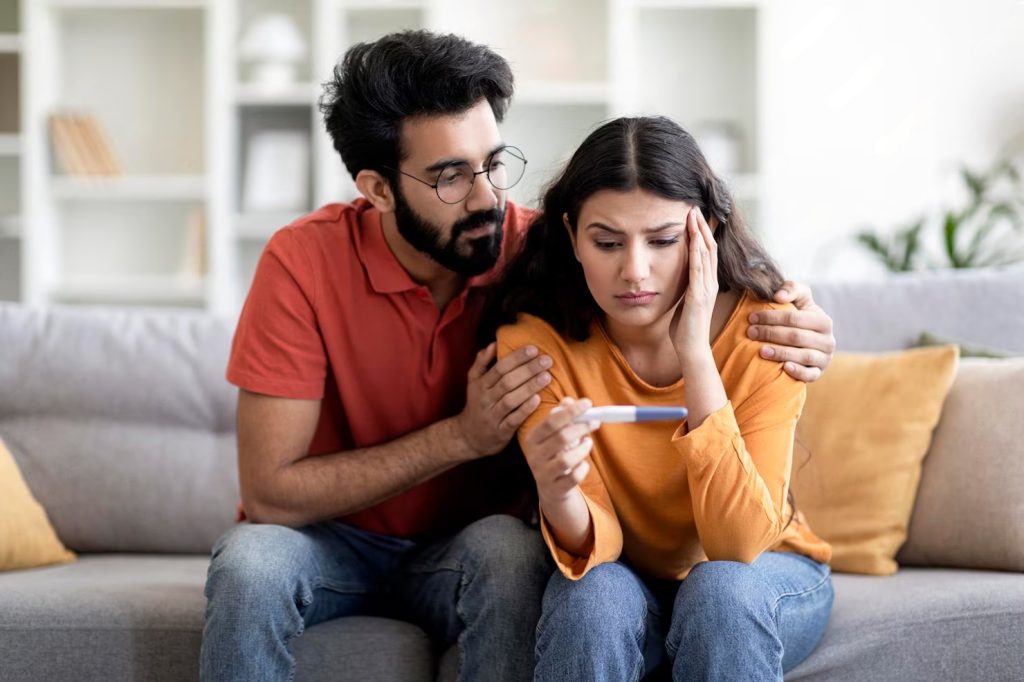
After recurrent pregnancy loss, couples may find themselves navigating a relationship they recognize but that feels different. Conversations that once centred on everyday life may now involve pregnancy, medical appointments, uncertainty, or the fear of experiencing another loss. Even physical closeness can carry emotions that were not there before.
The experience of pregnancy loss can affect both partners, but not necessarily in the same way. One may want to talk openly about what happened, while the other may struggle to find words. One may feel ready to consider another pregnancy, while the other may need more time. These differences can sometimes create distance even when both partners are grieving the same loss.
Understanding relationships after recurrent pregnancy loss begins with recognizing that there is no single way to cope. Emotional and physical closeness may take time to return, and there is no correct timeline for reconnecting.
For couples, moving forward is less about putting the loss behind them and more about finding ways to stay connected while each person processes it in their own way.
How Recurrent Pregnancy Loss Can Affect Relationships
Pregnancy loss can influence many parts of a relationship. The emotional impact of recurrent miscarriage may affect communication, affection, decision-making, and the way partners think about their future together.
Different Emotional Responses Between Partners
People process grief differently. One partner may want to discuss the loss, while the other may withdraw, stay busy, or find it difficult to express emotions.
These differences can sometimes be misinterpreted. Silence may be mistaken for indifference, while a desire to talk may feel overwhelming to the other partner. In reality, both may be trying to cope with the same experience in different ways.
Recognizing these differences can make communication after pregnancy loss easier. Partners do not have to grieve in the same way to support one another.
Changes in Emotional Connection
Some couples feel closer after going through a difficult experience together, while others experience periods of emotional distance. There may be days when talking feels comforting and others when either partner needs some space.
The relationship may also become heavily focused on fertility. Medical appointments, investigations, pregnancy tests, and discussions about treatment can gradually leave less room for ordinary conversations and shared experiences.
These changes do not necessarily mean that something is wrong with the relationship. They can be part of how couples respond to a significant loss.
Feeling Pressure Around Future Pregnancy Decisions
After recurrent pregnancy loss, deciding whether and when to try again can be emotionally difficult. One partner may feel ready, while the other may feel frightened or uncertain.
There can also be pressure to make decisions quickly because of concerns about future fertility or previous treatment experiences. Giving both partners the opportunity to express their feelings can help prevent pregnancy planning from becoming a source of conflict.
Why Intimacy May Feel Different After Recurrent Pregnancy Loss
The experience of loss can change how couples approach physical closeness. Intimacy after recurrent miscarriage may bring comfort for some people, while for others it may bring anxiety, sadness, or memories of the pregnancy that was lost.
Fear and Anxiety Around Trying Again
For couples trying to conceive again, intimacy can become closely connected with the possibility of another pregnancy. Sex may bring thoughts about ovulation, timing, pregnancy tests, or the possibility of another loss.
This can make intimacy after miscarriage emotionally complicated. A couple may want to feel close while also feeling afraid of what another pregnancy could mean.
Changes in Desire and Physical Closeness
Grief and emotional exhaustion can affect sexual desire. Some people may seek more physical affection after a loss, while others may need time before they feel comfortable with intimacy.
There can also be a difference between wanting emotional closeness and feeling ready for sexual intimacy. Holding hands, hugging, sitting together, or simply spending quiet time together can offer connection without creating pressure.
When Intimacy Starts Feeling Goal-Oriented
When couples are trying to conceive, physical intimacy can become closely linked to fertility timing. Sex may begin to feel like another part of the pregnancy plan rather than something shared between two partners.
Making room for affection and intimacy that has no connection to conception can help couples reconnect with each other outside the fertility journey.
Emotional Safety and Trust After Loss
Pregnancy loss can make the future feel uncertain. A person may worry about becoming emotionally attached to another pregnancy or fear experiencing the same loss again.
Feeling emotionally safe may therefore take time. Being able to say, “I am scared,” “I need some time,” or “I want to be close today” without feeling judged can help rebuild trust and comfort.
How Couples Can Rebuild Connection After RPL
There is no single approach to coping after recurrent pregnancy loss. What helps one couple may not work for another. Small, consistent efforts to understand each other can often be more useful than trying to resolve everything at once.
Create Space for Different Coping Styles
Partners do not need to process the loss in the same way. One may need conversation, while another may need quiet or time alone.
Giving each other this space does not mean becoming emotionally distant. It means recognising that grief can look different from person to person.
A simple check-in can help: “Do you want to talk about it, or would you rather have some time?”
Communicate Without Assuming
After a difficult experience, it is easy to interpret silence, withdrawal, or changes in intimacy as personal rejection.
Instead of assuming, couples can ask. Sharing concerns directly gives the other person an opportunity to explain what they are feeling.
Open communication does not always lead to an immediate solution. Sometimes, simply feeling heard can make a significant difference.
Separate Relationship Time From Fertility Planning
Fertility discussions can gradually become part of almost every conversation. Appointments, test results, treatment options, and pregnancy planning can leave little room for the relationship itself.
Setting aside time that has nothing to do with fertility can help couples reconnect. A meal together, a walk, a shared activity, or an ordinary conversation can provide a much-needed break from medical discussions.
This can be an important part of relationship support after pregnancy loss.
Reintroduce Physical Intimacy Gradually
There is no fixed timeline for returning to physical intimacy. Couples can begin with forms of affection that feel comfortable and gradually move forward as they feel ready.
For some, this may mean holding hands or cuddling. For others, it may mean returning to sexual intimacy when both partners feel physically and emotionally comfortable.
The important thing is that intimacy should feel mutual rather than expected or pressured.
How to Talk About Pregnancy Planning Without Letting It Take Over the Relationship
Pregnancy planning after recurrent pregnancy loss can involve hope and fear at the same time. Couples may benefit from treating the decision as something they discuss together rather than something either partner has to decide alone.
Setting Boundaries Around Fertility Conversations
It can help to decide when fertility-related conversations will take place, particularly if they have started to dominate everyday life.
This does not mean avoiding the subject. It creates space for the relationship to exist outside fertility planning.
Managing Expectations Together
Partners may have different expectations about when to try again, which investigations to pursue, or how much treatment they are comfortable with.
Discussing these expectations openly can help identify differences before they become a source of tension. Feelings can also change as new medical information becomes available.
Creating Shared Decision-Making
Pregnancy planning involves medical, emotional, and personal considerations. Making decisions together can help both partners feel informed and involved.
A fertility consultation can also provide an opportunity to understand the medical aspects of future pregnancy planning and discuss concerns as a couple.
For couples considering another pregnancy, understanding the steps involved in pregnancy planning after recurrent pregnancy loss can make these conversations more informed.
When Additional Emotional Support May Be Helpful
Not every couple needs professional support after pregnancy loss. However, some couples may find it helpful when the emotional effects continue to interfere with communication or daily life.
Support may be worth considering when there is:
- Persistent relationship strain or conflict
- Difficulty communicating about the loss
- Ongoing anxiety around another pregnancy
- Emotional exhaustion
- Significant distress around physical intimacy
- Difficulty making decisions about future pregnancy
Recurrent pregnancy loss support may include fertility counselling, support from a mental health professional, or a pregnancy-loss support group. Seeking support does not mean that grief is being treated as a problem. It can simply provide couples with another place to talk through an experience that may be difficult to manage alone.
How Fertility Care Can Support Couples Beyond Medical Treatment
Fertility care after RPL involves more than investigations and treatment. Clear communication with the healthcare team can help couples understand what is known about their situation, what further evaluation may be appropriate, and what their next steps could involve.
Structured consultations can give both partners an opportunity to ask questions and develop a shared understanding of the treatment plan. Feeling informed can make future decisions easier to approach together.
A recurrent pregnancy loss evaluation can help assess possible factors associated with repeated pregnancy loss and guide further care where appropriate. A fertility consultation can then provide an opportunity to discuss the findings, future pregnancy planning, and concerns that may affect the couple’s next steps.
Conclusion
Recurrent pregnancy loss can affect intimacy and relationships in ways that are often overlooked. It may influence how couples communicate, experience physical closeness, make decisions about another pregnancy, and support each other emotionally.
There is no perfect way to navigate the emotional recovery after miscarriage, and couples do not have to move through it at the same pace. Creating space for individual experiences while remaining connected can help partners understand each other better and build resilience together.
With open communication, appropriate relationship support after pregnancy loss, and clear medical guidance, couples can gradually find their way forward while making decisions about what comes next.
FAQs
1. Is it normal for relationships to change after recurrent miscarriage?
Yes. How miscarriage affects couples can vary, but changes in communication, emotional connection, intimacy, and future pregnancy decisions are common after pregnancy loss.
2. How long does it take to feel emotionally connected again?
There is no fixed timeline. Emotional recovery after miscarriage varies between individuals and couples, and reconnecting may happen gradually.
3. Can recurrent pregnancy loss affect intimacy?
Yes. Grief, anxiety, changes in desire, fear of another loss, and concerns about pregnancy can all affect intimacy after miscarriage.
4. How do couples support each other after miscarriage?
Listening without trying to immediately solve the problem, respecting different coping styles, communicating openly, and spending time together outside fertility-related activities can help couples support each other.
5. When should couples seek additional support?
Support may be helpful when relationship strain, communication difficulties, anxiety, or emotional exhaustion continue to affect daily life or the relationship. Counselling and support groups can provide additional recurrent pregnancy loss support.
6. How do you talk about trying again after pregnancy loss?
Choose a time when both partners can talk without pressure. Discuss fears, expectations, medical concerns, and readiness honestly, and make decisions together rather than assuming that both partners feel the same way.
How Do Couples Navigate Intimacy and Relationships After RPL?
After recurrent pregnancy loss, couples may find themselves navigating a relationship they recognize but that feels different. Conversations that once…

What Are the Early Signs of Pregnancy Success After Recurrent Miscarriages?
After experiencing recurrent miscarriages, becoming pregnant again can bring both hope and uncertainty. It is natural to look for early signs…
How Does Insulin Resistance or Diabetes Affect Recurrent Pregnancy Loss?
Recurrent pregnancy loss (RPL) is a complex reproductive concern that can involve multiple factors, including genetic, hormonal, uterine, metabolic, immune,…
What Is the Role of Progesterone in Preventing Miscarriage?
Progesterone is an important pregnancy hormone that supports the early stages of pregnancy by preparing the uterus, supporting implantation, and…