What Does Research Suggest About Unexplained Infertility and Egg Quality?
September 3, 2025

September 3, 2025
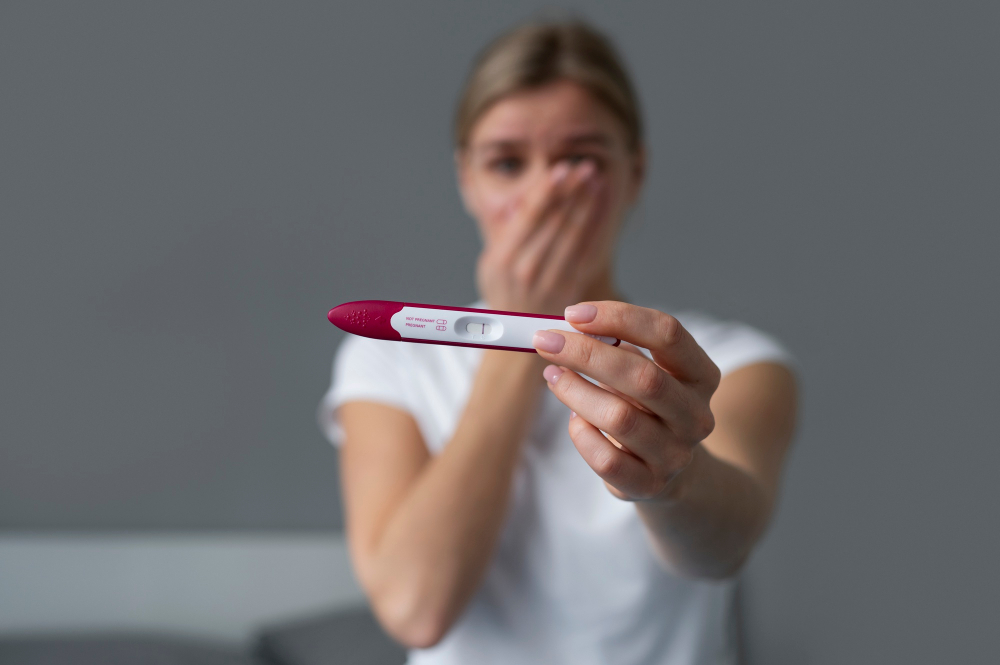
Bengaluru's tech workforce has built one of India's most dynamic cities, and also one of its more complex fertility profiles. Delayed marriage, long working hours, high-stress project cycles, and poor sleep quality have collectively contributed to a rise in PCOS, anovulatory infertility, and unexplained fertility challenges among women in the city. For many women here, fertility is not something they begin thinking about until their early to mid thirties, at which point hormonal and ovulatory irregularities may already be a factor.
What follows is often a period of testing, monitoring, and eventually IVF cycles that may succeed, but sometimes do not, without a clear explanation. Women in this situation often find themselves looking for a top lady infertility specialist in Bengaluru who is willing to look past hormone panels and scan results to investigate what else might be affecting their ability to sustain a pregnancy.
ICPRM, led by Dr. Mugdha Raut, offers Bengaluru patients access to specialized reproductive immunology care. This is a field that investigates the role of the immune system in implantation failure, recurrent miscarriage, and unexplained infertility. It is a level of evaluation that goes beyond what most fertility clinics in the city provide.
PCOS creates hormonal irregularities, but its effects on fertility are not limited to ovulation alone. There is a growing body of evidence suggesting that chronic low-grade inflammation, common in women with PCOS, can disrupt the immune environment of the uterus. This can affect how receptive the endometrium is to an embryo and how well the immune system supports early pregnancy rather than working against it.
Beyond PCOS, the lifestyle factors common among Bengaluru's working population (late nights, high cortisol, sedentary routines) can dysregulate immune function in ways that affect the reproductive system. Recurrent IVF failure and repeated early miscarriage are often the result of this immune dysregulation, and both are missed by routine fertility investigations. Reproductive immunology is the subspecialty designed to find and address this.
At ICPRM, patients typically arrive after having been through the standard fertility pathway without consistent success. Dr. Mugdha Raut's evaluation does not repeat what has already been done. Instead, it looks specifically at the immune factors that may be underlying repeated failure: immune tolerance dysfunction, natural killer cell activity, and the inflammatory environment of the uterus at the time of implantation.
Our treatment, ImmuLIT® (Lymphocyte Immunization Therapy), is a patented, evidence-based procedure that is applied once immune profiling is complete. It is designed to help the immune system shift into a more tolerant state, creating conditions more favourable for successful implantation. As the best female infertility doctor in Bengaluru, Dr. Raut's approach is specific, personalized, and distinct from anything offered through standard fertility care.
From first contact to post-treatment follow-up, the process at ICPRM is structured around clarity and clinical precision:
Dr. Mugdha Raut has over 35 years of clinical experience and is recognised as one of India's leading voices in reproductive immunology. As a women's fertility specialist in Bengaluru with deep focus on immune-mediated pregnancy failure, she brings a level of subspecialty expertise that is rarely available at standard fertility clinics. Her practice at ICPRM is built around the cases that do not fit neatly into conventional fertility diagnoses.
She co-founded ICPRM to create a centre where patients with complex, unexplained, or recurrent fertility problems could receive a genuinely different standard of care. Every patient who comes to us receives a detailed immune evaluation, a personalized treatment plan, and a clinical relationship built on honest, informed communication about what the investigations show and what ImmuLIT can offer.
Bengaluru has no shortage of fertility clinics, and most of them offer good conventional care. But for patients with PCOS-related implantation failure, recurrent IVF cycles, or unexplained infertility, conventional care has often already been tried. ICPRM is a step beyond that. We offer specialized immunology evaluation and treatment pathways for the cases that standard fertility medicine has not been able to resolve. Online consultations make it easy to begin, without needing to travel first.
We see patients at Apollo CM Fertility, 607, 15th Cross Road, JP Nagar 6th Phase, Bengaluru, Karnataka 560078, near Sindoora Convention Hall. If you are at a stage in your fertility journey where you need answers, not another standard protocol, our centre may be the right next step.
1. I have PCOS and have had two failed IVF cycles. Can ICPRM help?
Yes. PCOS is associated with hormonal irregularities, but also with chronic inflammation that can affect the uterine immune environment. If your IVF cycles have failed despite good embryo quality, an immune evaluation at ICPRM is a clinically appropriate next step.
2. Is reproductive immunology a recognized medical specialty?
Yes. Clinical reproductive immunology is an established subspecialty that focuses on how the immune system interacts with reproductive processes. It is supported by a substantial body of peer-reviewed research and is particularly relevant for recurrent pregnancy failure.
3. I keep having early miscarriages. Could this be an immune issue?
Early recurrent miscarriage is one of the most common presentations at our centre, and immune dysregulation is a well-recognized cause. Our evaluation specifically looks at immune tolerance mechanisms that may be contributing to early pregnancy loss.
4. Does Dr. Mugdha Raut visit Bengaluru regularly?
Yes. Dr. Raut conducts consultations at Apollo CM Fertility in JP Nagar, Bengaluru. Online consultations are also available for patients who want to connect before scheduling their in-person visit.
5. My fertility tests are all normal. Why should I consider an immune evaluation?
Standard fertility tests assess hormones, ovulation, sperm, and uterine structure. They do not assess immune tolerance mechanisms or the inflammatory state of the uterus. Normal routine tests do not rule out an immune-related cause for infertility.
6. How long after ImmuLIT can I attempt IVF again?
The timing depends on your immune response and individual clinical factors. Dr. Raut will advise on the appropriate waiting period and the best window for your next IVF cycle or natural conception attempt after treatment.
7. Is ImmuLIT available only in Bengaluru, or can I get treated elsewhere?
ICPRM operates across multiple cities including Mumbai, Hyderabad, Nagpur, Pune, and Delhi, in addition to Bengaluru. You can choose the centre closest to you, or begin with an online consultation regardless of where you are located.

M.D.D.G.O, FCRI
Consultant Gynaecologist & Obstetrician
Clinical Reproductive Immunologist

M.D., D.G.O., F.C.R.I.(ASRI)
Consultant Gynaecologist & Obstetrician
Clinical Reproductive Immunologist