
Is a Laparoscopy Helpful in Diagnosing Unexplained Infertility?
February 4, 2026
For many couples, the journey to parenthood is filled with hope, anticipation, and sometimes unexpected challenges. One of the most difficult hurdles is receiving an unexplained infertility diagnosis – a situation where standard fertility diagnostic procedures such as blood tests, semen analysis, and imaging reveal no clear reason for the inability to conceive. The absence of answers can be emotionally draining, leaving couples searching for clarity and solutions.
In such cases, specialists may recommend laparoscopy for infertility, a minimally invasive procedure that allows doctors to directly examine the pelvic organs. Unlike routine tests, infertility laparoscopy provides a detailed view of the uterus, fallopian tubes, and ovaries, often uncovering hidden conditions that standard diagnostics miss. But the key question remains: is laparoscopy useful for unexplained infertility?
In this blog, we will explore how laparoscopy can reveal underlying causes, when it is recommended, and why it may be a valuable step in guiding effective treatment
Understanding Unexplained Infertility
An unexplained infertility diagnosis is given when routine tests fail to identify a clear reason for difficulty conceiving. This accounts for nearly 15-30% of infertility cases worldwide. Couples often undergo:
- Hormonal assessments
- Semen analysis
- Ultrasound scans
- Hysterosalpingography (to check fallopian tube patency)
When all results appear normal, yet conception does not occur, the condition is labeled as unexplained infertility. For patients, this lack of clarity can be emotionally draining and medically challenging.
What is Laparoscopy?
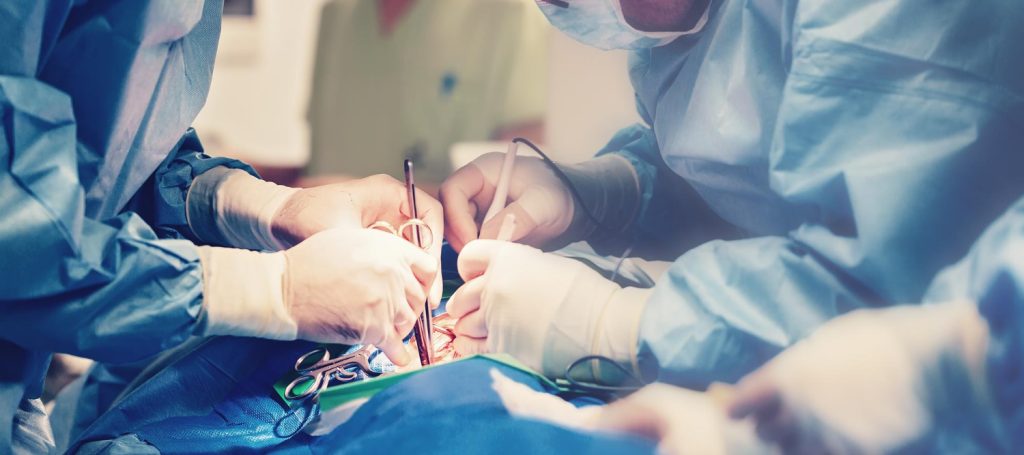
Infertility laparoscopy is a minimally invasive surgical technique performed under anesthesia. Through small incisions, a thin camera (laparoscope) is inserted into the abdomen, allowing direct visualization of reproductive organs such as the uterus, fallopian tubes, and ovaries. Unlike imaging tests, laparoscopy provides a real-time, detailed view of the pelvic cavity.
How Laparoscopy Helps in Diagnosing Infertility
One of the main advantages of laparoscopy is its ability to detect subtle conditions that may not appear in routine fertility diagnostic procedures. These include:
- Endometriosis: Mild or hidden forms often escape detection in scans but can significantly impact fertility.
- Pelvic adhesions: Scar tissue from infections or previous surgeries can restrict organ movement.
- Tubal abnormalities: Blockages or damage to fallopian tubes may only be visible through direct inspection.
By identifying these hidden causes of unexplained infertility, laparoscopy provides clarity and often allows corrective treatment during the same procedure.
Benefits of Laparoscopy in Unexplained Infertility
- Direct visualization of reproductive organs Unlike routine imaging, laparoscopy for infertility gives doctors a clear, real-time view of the uterus, fallopian tubes, and ovaries, helping detect issues that may otherwise remain hidden.
- Diagnosing subtle conditions
- Through infertility laparoscopy, specialists can identify mild endometriosis, pelvic adhesions, or small tubal blockages, common but often overlooked causes of unexplained infertility.
- Immediate treatment options A key advantage is that laparoscopy is both diagnostic and therapeutic. Doctors can remove adhesions or treat endometriosis during the same procedure, reducing delays in care.
- Improved fertility outcomes Correcting these hidden problems often enhances fertility potential, giving couples with an unexplained infertility diagnosis a better chance of conception.
- Turning uncertainty into clarity Ultimately, laparoscopy transforms vague test results into actionable solutions, offering couples reassurance and a clearer path forward.
Limitations and Considerations
While laparoscopy is a powerful diagnostic tool, it is not without limitations:
- It is more invasive compared to non-surgical tests.
- Risks include anesthesia-related complications, infection, or bleeding.
- Recovery time is longer than non-invasive procedures.
- It may not be necessary for every infertility case.
Therefore, the question of when is laparoscopy recommended for infertility depends on individual circumstances and specialist guidance.
When is Laparoscopy Recommended for Infertility?
Doctors may suggest laparoscopy in cases such as:
- Persistent unexplained infertility after standard tests.
- Suspected endometriosis or pelvic adhesions.
- Abnormal imaging results requiring confirmation.
Ultimately, the decision is personalized, balancing potential benefits against risks.
ICPRM’s Advanced Solutions for Unexplained Infertility
At Dr. Raut’s Centre Of Reproductive Immunology, our specialists focus on innovative treatment strategies designed to deliver comprehensive, personalized care. By addressing both visible and hidden causes of infertility, ICPRM ensures that couples receive clarity and actionable solutions rather than uncertainty.
However, before giving ImmuLIT® treatment, laparoscopy helps to rule out anatomical or structural problems. Patients who have undergone laparoscopy and received treatment for anatomical issues often experience better success rates.
One of our most distinctive offerings, ImmuLIT®, addresses immune-related factors in infertility. Subtle immune imbalances can interfere with implantation or early pregnancy, often contributing to unexplained infertility. While laparoscopy helps identify physical conditions such as endometriosis or adhesions, ImmuLIT® complements this by targeting immunological barriers. Together, they provide a holistic approach that not only treats underlying causes but also gives couples a tailored path toward improved fertility outcomes and a greater chance of successful conception.
Conclusion
So, is laparoscopy useful for unexplained infertility? The answer is yes, when recommended appropriately, laparoscopy can uncover hidden causes such as endometriosis, adhesions, or tubal abnormalities, and even provide immediate treatment options during the same procedure. While it is not considered a first-line fertility diagnostic procedure, laparoscopy remains a valuable tool that can transform uncertainty into clarity, offering couples a clearer path forward in their journey toward parenthood.
At ICPRM, we go beyond conventional approaches by combining advanced diagnostics like infertility laparoscopy with our exclusive ImmuLIT® program, which addresses immune-related factors often overlooked in unexplained infertility. This holistic care model ensures that couples receive both precise diagnosis and tailored treatment, moving them closer to their dream of conception. If you are struggling with unexplained infertility, consult ICPRM’s fertility specialists to explore advanced options designed specifically for your needs
If you are struggling with unexplained infertility, consult ICPRM’s fertility specialists today to explore advanced diagnostic and treatment options tailored to your needs.
Can Couples with Normal Karyotypes Still Experience RPL?
When couples face recurrent pregnancy loss (RPL), one of the first steps doctors recommend is chromosomal testing for infertility. Karyotype…

What Questions Should I Ask My Doctor About Recurrent Pregnancy Loss?
Experiencing recurrent pregnancy loss (RPL) is one of the most difficult challenges couples can face. Defined as two or more…
Can PCOS Cause Repeated IVF Failure?
Repeated IVF failure often raises a critical question in reproductive medicine: are we overlooking underlying conditions that quietly influence outcomes?…
Is a Laparoscopy Helpful in Diagnosing Unexplained Infertility?
For many couples, the journey to parenthood is filled with hope, anticipation, and sometimes unexpected challenges. One of the most…