
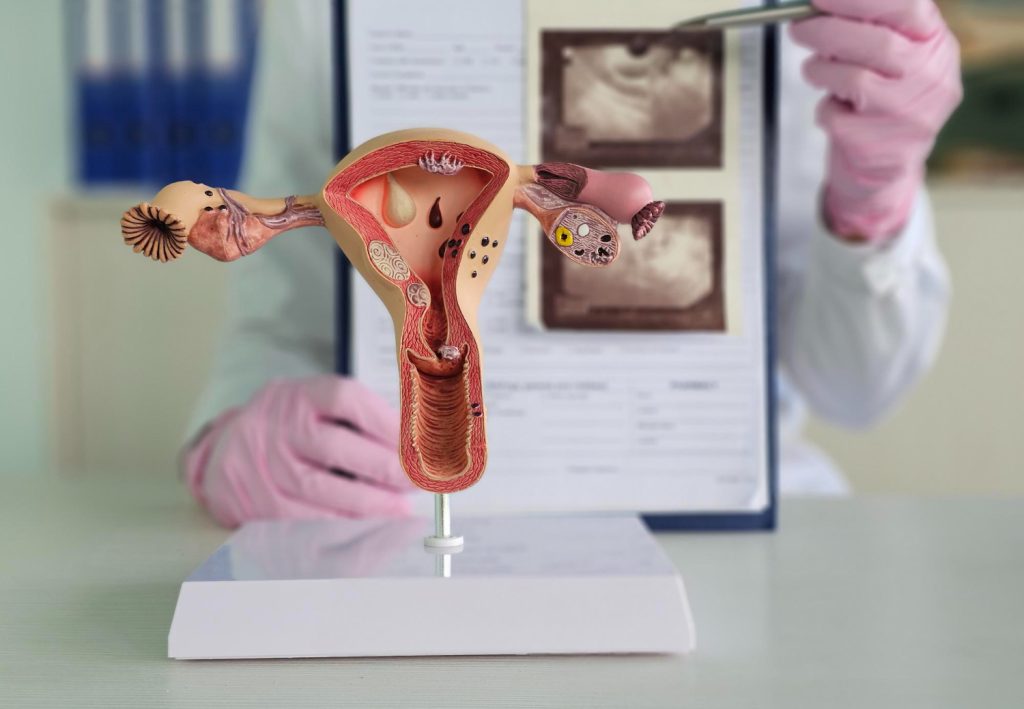
Uterine Causes of Recurrent Implantation Failure
November 20, 2026
An embryo transfer marks an important stage of the IVF journey, but pregnancy does not always follow, even when good-quality embryos are transferred. When this happens repeatedly, it becomes important to understand what may be affecting implantation. The uterus plays a key role in this process by providing the environment where the embryo attaches and begins to develop.
The uterine environment involves several factors, including the structure of the uterine cavity and the condition of the endometrial lining. Changes in either may influence how receptive the uterus is to an embryo.
However, an unsuccessful transfer does not automatically indicate a uterine problem. The possible impact of any uterine factor needs to be understood in the context of the patient’s overall reproductive history.
In this blog, we explore the uterine causes of recurrent implantation failure, how they may affect embryo implantation, and how they are evaluated during fertility treatment.
What Is Recurrent Implantation Failure?
Recurrent IVF implantation failure refers to repeated unsuccessful embryo transfers where pregnancy does not occur, despite the transfer of embryos with a reasonable likelihood of implantation. There is no fixed number of failed transfers that applies to every patient, as the definition depends on factors such as embryo quality, maternal age and the expected chances of implantation.
The outcome of an embryo transfer can be influenced by several factors, including chromosomal abnormalities in the embryo, the condition of the uterine cavity, endometrial receptivity and the patient’s medical history. Therefore, repeated implantation failure needs to be assessed on an individual basis.
When multiple transfers have been unsuccessful, a closer evaluation of the uterus and endometrial lining may help identify abnormalities or other factors that could be affecting implantation.
How Does the Uterus Influence Embryo Implantation?
For an embryo to implant successfully, it must attach to the endometrial lining during a specific phase of the menstrual cycle, known as the implantation window. At this stage, the lining needs to be sufficiently developed and receptive to support embryo attachment and early development.
The structure of the uterine cavity and the condition of the endometrium both play a role in this process. Conditions such as fibroids, polyps, adhesions or inflammation may alter the uterine environment and interfere with normal implantation. Depending on their location and severity, these changes may contribute to implantation failure after IVF.
This is why assessing the uterine cavity and endometrial lining can be an important part of fertility evaluation, particularly when embryo transfers have been unsuccessful more than once.
7 Uterine Causes of Recurrent Implantation Failure
1. Uterine Polyps
Uterine polyps are growths that develop from the endometrial lining. They can vary in size and may occur in different areas of the uterine cavity.
Depending on their size and location, polyps may interfere with the area where an embryo needs to attach. They may also be associated with changes in the local endometrial environment.
Uterine polyps and implantation failure may therefore be considered during the evaluation of repeated unsuccessful transfers. Their significance depends on individual findings, and a specialist may recommend further assessment to determine whether treatment is needed.
2. Uterine Fibroids
Fibroids are non-cancerous growths that develop in or around the uterus. Their effect on fertility depends largely on their size, number and location.
Submucosal fibroids, which grow into the uterine cavity, can change its shape and may interfere with embryo implantation. Some intramural fibroids may also affect fertility, particularly when they distort the cavity. Fibroids located on the outer surface of the uterus are generally less likely to affect implantation.
The relationship between fibroids and implantation failure is therefore influenced by the type of fibroid and how it affects the uterine cavity.
3. Adenomyosis
Adenomyosis occurs when tissue similar to the uterine lining grows within the muscular wall of the uterus. This can cause the uterus to become enlarged and may be associated with painful periods, heavy menstrual bleeding and pelvic discomfort. Some patients may not experience noticeable symptoms.
Adenomyosis may affect the uterine environment through changes in inflammation, muscle activity and the endometrial lining. Research has also linked it with certain unfavourable IVF outcomes, although its impact can vary between patients.
For this reason, adenomyosis and implantation failure may be explored in patients with repeated unsuccessful transfers, especially when other symptoms or clinical findings are present.
4. Uterine Adhesions
Uterine adhesions, also known as intrauterine adhesions, are bands of scar tissue that develop inside the uterine cavity. They may occur after procedures involving the uterus, such as a dilation and curettage (D&C), or following certain infections.
These adhesions can cause parts of the uterine walls to stick together, reducing the available space within the cavity. In more significant cases, they may affect the endometrial lining and its ability to support implantation.
Uterine adhesions and implantation failure may be a concern when patients have a history of uterine procedures, menstrual changes or repeated unsuccessful fertility treatment.
5. Septate Uterus
A septate uterus is a congenital uterine abnormality in which a band of tissue divides part or most of the uterine cavity into two sections. It develops before birth and may remain undetected until a person undergoes fertility investigations.
The presence of a uterine septum has been associated more clearly with miscarriage and adverse pregnancy outcomes than with implantation failure itself. Its significance depends on the anatomy and the patient’s reproductive history.
A specialist may recommend further assessment when a septate uterus is suspected, particularly in patients with recurrent pregnancy loss or other fertility concerns.
6. Chronic Endometritis
Chronic endometritis is a persistent inflammation of the endometrium, the inner lining of the uterus. It may occur without obvious symptoms, which means some patients may not know they have it.
The condition can alter the local uterine environment and has been associated with reproductive difficulties, including recurrent implantation failure in some studies. However, its role and the benefits of screening and treatment are still being evaluated.
In selected cases, a specialist may recommend an endometrial biopsy to investigate suspected chronic endometritis.
7. Thin or Poorly Developing Endometrial Lining
The endometrial lining changes throughout the menstrual cycle in response to hormonal signals. It needs to develop appropriately to support embryo attachment and early pregnancy.
A lining that remains thin or does not develop as expected may be associated with reduced implantation chances. Several factors can contribute, including hormonal issues, previous uterine procedures, adhesions and damage to the endometrial tissue.
Endometrial factors in implantation failure may therefore need attention when scans show that the lining is not developing as expected during an IVF cycle. Its thickness is one part of the assessment; appearance, timing and the patient’s overall clinical history also matter.
How Are Uterine Problems Evaluated During Fertility Treatment?
When repeated embryo transfers have been unsuccessful, a specialist may review the uterus to check for structural changes or conditions affecting the endometrial lining. The choice of investigation depends on the patient’s history, previous findings and symptoms.
Some commonly considered investigations include:
- Transvaginal ultrasound: Provides images of the uterus, endometrial lining and other pelvic structures.
- Saline infusion sonography: Uses sterile saline introduced into the uterine cavity during ultrasound to help identify polyps, fibroids and adhesions.
- Hysteroscopy: Allows direct visual examination of the uterine cavity using a thin instrument with a camera. It may also allow certain abnormalities to be treated during the procedure.
- MRI: May be recommended in selected cases to assess conditions such as adenomyosis or clarify complex uterine anatomy.
Not every patient needs all these investigations. The specialist recommends them based on the findings and the questions that need to be answered.
Can Uterine Conditions Be Treated Before Another IVF Transfer?
In many cases, uterine conditions can be managed before proceeding with another embryo transfer. However, the recommended approach depends on the specific condition, its severity and the patient’s fertility history.
For example, a specialist may consider removing certain polyps or cavity-distorting fibroids, treating intrauterine adhesions, or managing chronic endometritis when diagnosed. Other conditions may require monitoring or an individualised treatment plan.
The aim is to identify abnormalities that may be affecting the uterine environment and determine whether addressing them could improve the chances of a successful pregnancy. Treatment decisions should always be based on clinical findings rather than assuming that every uterine abnormality needs intervention.
When Should You Discuss Uterine Factors With a Fertility Specialist?
An unsuccessful embryo transfer can happen for several reasons, and a single failed cycle does not necessarily indicate a problem with the uterus. However, further evaluation may be worth discussing when:
- Multiple embryo transfers have not resulted in pregnancy.
- Previous scans have identified fibroids, polyps or other uterine abnormalities.
- There is a history of uterine surgery, D&C or pelvic infection.
- Menstrual periods have become unusually light, heavy or irregular.
- There is a history of recurrent pregnancy loss or suspected endometrial conditions.
A review of previous IVF records, scan reports and medical history can help determine whether further uterine assessment is appropriate.
Conclusion
Repeated unsuccessful embryo transfers can leave couples with many unanswered questions, especially when the embryos appeared to be developing well. Looking closely at the uterus can sometimes provide an explanation, but identifying an abnormality is only the first step. Its actual impact on implantation needs to be understood before deciding on treatment.
For patients experiencing recurrent implantation failure, a careful review of previous treatment cycles and relevant investigation reports can help bring greater clarity to the next steps. The focus should be on identifying factors that may genuinely affect the chances of pregnancy and choosing further care based on individual findings.
FAQs
- Can uterine problems cause repeated IVF failure?
Yes. Conditions such as uterine polyps, cavity-distorting fibroids, adhesions and certain endometrial abnormalities may affect implantation. Their impact depends on the condition and individual clinical findings.
- Can uterine polyps affect embryo implantation?
Uterine polyps, particularly those that distort the uterine cavity, may interfere with implantation. A specialist can assess their size and location to determine whether treatment is appropriate before another embryo transfer.
- Can adenomyosis lead to recurrent implantation failure?
Adenomyosis has been associated with reduced IVF success in some studies. Its effect varies, and further assessment may be considered when patients experience repeated unsuccessful transfers or have symptoms associated with the condition.
- How do doctors check for uterine abnormalities before IVF?
Doctors may use transvaginal ultrasound, saline infusion sonography, hysteroscopy or MRI, depending on the suspected condition and the patient’s medical history.
- Can implantation failure happen even if the uterus appears normal?
Yes. Implantation depends on several factors, including embryo development, chromosomal health, endometrial receptivity and other individual factors. A normal uterine scan does not guarantee successful implantation.
- Should uterine abnormalities always be treated before embryo transfer?
No. Some abnormalities may not affect implantation or require intervention. Treatment depends on the type, location and severity of the finding, along with the patient’s fertility history.
IVF कितनी बार फेल होने पर जांच करवानी चाहिए? जानें जरूरी टेस्ट और कारण
IVF का एक cycle असफल होने पर निराशा होना स्वाभाविक है। ऐसे में मन में कई सवाल आते हैं –…

क्या पति की समस्या से भी बार-बार गर्भपात हो सकता है? पुरुषों से जुड़े कारण, जांच और उपचार
गर्भपात होने पर अक्सर सबसे पहले महिला की सेहत, हार्मोन और गर्भाशय से जुड़े कारणों की जांच की जाती है।…
लगातार दो बार गर्भपात होने के बाद क्या करें? कारण, जांच और अगली प्रेग्नेंसी की तैयारी
गर्भावस्था की शुरुआत के साथ कई उम्मीदें जुड़ी होती हैं। ऐसे में एक बार गर्भपात होना भी भावनात्मक रूप से…
Tumor Necrosis Factor (TNF-alpha) and Pregnancy Outcomes
Pregnancy involves a series of carefully regulated changes in the mother’s immune system. While the body needs to protect itself…